Start with the completion record
Keep the pre-lining survey, repair proposal, treated length, liner system, curing record and post-lining CCTV footage together. The record should identify the access point, direction of travel, liner ends and reopened connections. Photographs or a simple drainage sketch can make distances understandable to someone who did not attend the work.
Written information should also state any section that was not lined, defect that remained outside scope or access limitation. A repair record is most useful when it shows both what changed and what did not.
Confirm normal flow after the work
Fixtures and chambers connected to the treated run should return to their expected operation after the liner and branches are finished. If a connection remains restricted, water rises elsewhere or a chamber continues to surcharge, stop adding water and report the symptom with reference to the post-lining footage.
A camera can confirm the visible liner and connections, but it may not diagnose every upstream fitting, downstream restriction or surface-water issue. Record exactly which fixtures are affected before assuming the liner itself is the cause.
Use drains in a way that prevents avoidable deposits
Kitchen waste
Keep fats, oils and food residue out of sinks. Grease can cool and accumulate beyond the visible trap, including within a smooth lined pipe if unsuitable material continues to enter the system.
Bathrooms and toilets
Flush only human waste and toilet paper. Wipes, sanitary products and other non-dispersing items can catch at a connection, bend or downstream defect even when the relined section is sound.
Commercial drainage
High-use kitchens, washrooms and process areas should use disposal controls and a maintenance plan based on actual loading and previous deposits. Relining repairs the pipe; it does not replace grease management or correct misuse.
Choose cleaning methods carefully
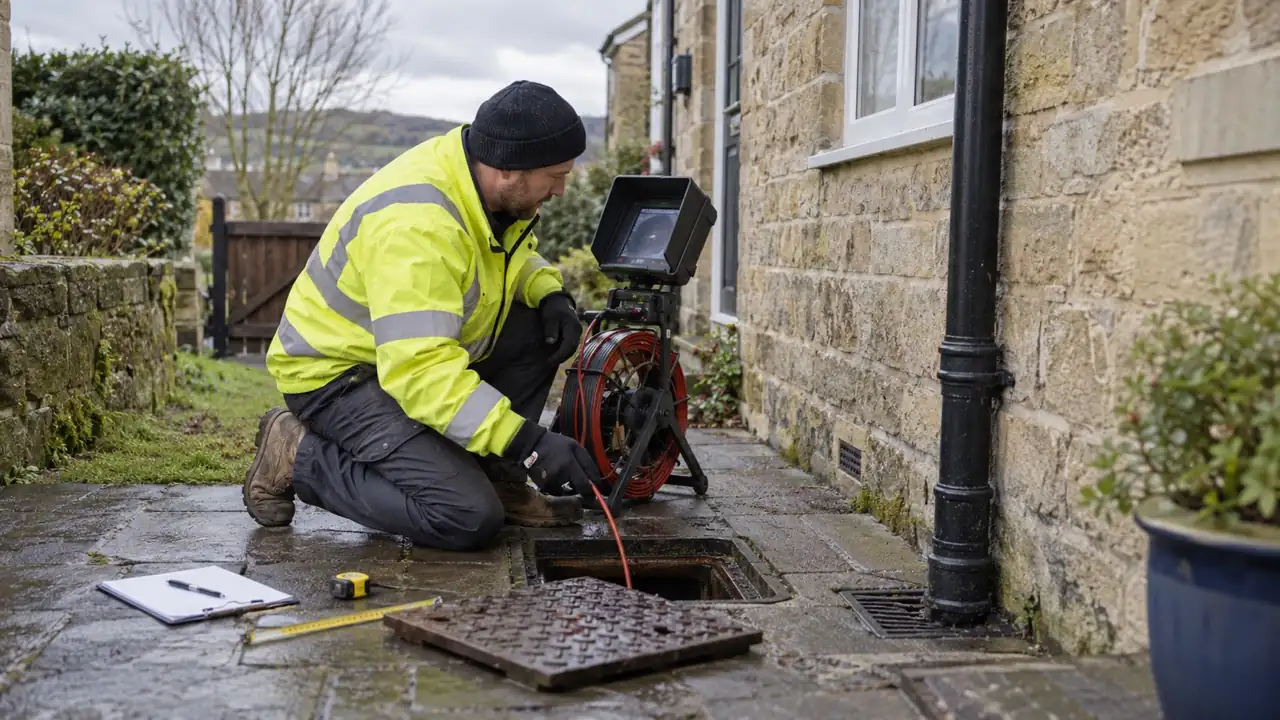
Tell any future drainage contractor that the pipe has been lined and provide the repair position where possible. Cleaning pressure, nozzles, mechanical tools and cutting equipment should be selected with the liner, connections and recorded defect history in mind.
Aggressive cutting or an unsuitable nozzle can damage drainage materials or liner ends. The objective is to remove the identified deposit while protecting the repaired pipe. Avoid chemical mixtures and disclose any product already used before work begins.
When another CCTV survey may be useful
There is no universal inspection interval for every relined drain. A domestic run with no symptoms may not need frequent camera work, while a critical commercial line, repeated root history or neighbouring construction may justify planned review. The interval should follow risk, use and the repair record.
Use the same access points and direction where possible so later footage can be compared with the completion survey. Record the distance and relationship to liner ends, connections and any original pipe left untreated.
Warning signs that need investigation
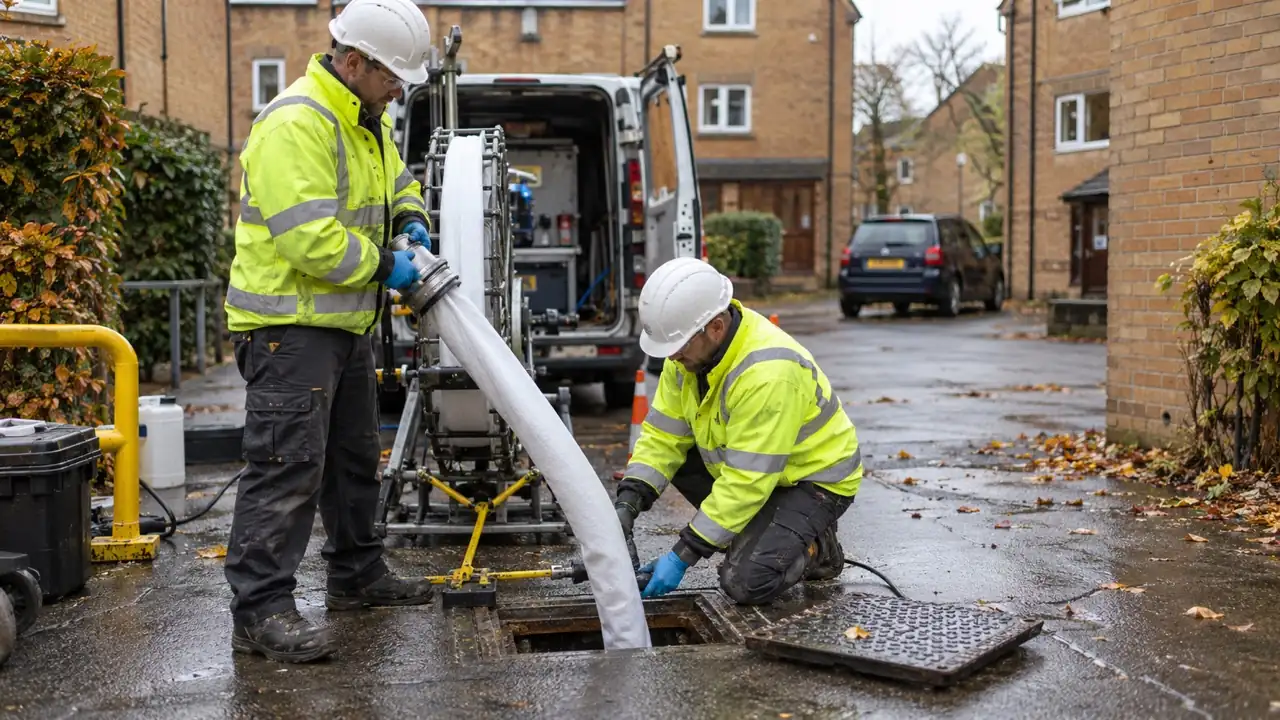
These signs do not automatically prove liner failure. The problem may sit upstream, downstream, at a branch or in an untreated section. Compare the symptoms and new survey with the original repair record before deciding on further work.
- A blockage returns at the same recorded position
- Several fixtures begin gurgling or backing up together
- An external chamber remains full after use stops
- New persistent odour or damp ground appears near the route
- A branch connection drains slowly after lining
- Nearby excavation, vehicle loading or building work may have affected the drain
Building work around a relined drain
Provide the drainage plan and lining record to designers and contractors before an extension, excavation or service trench is planned. A liner rehabilitates the inside of a pipe but does not make it immune to crushing, drilling, movement or removal of support from outside.
Where a public sewer may be involved, check Yorkshire Water records and the current build-over process. Approved Document H provides guidance on drainage, access and protection of pipes for building work in England. Private repair footage does not replace those checks.
Ownership, sale and future repairs
Keep the relining record with property documents and pass it to a buyer, landlord, facilities manager or future contractor. It can help explain why the pipe looks different on camera and prevent avoidable damage during later cleaning or alterations.
If another defect develops outside the lined section, the earlier repair may still be sound. The next proposal should identify the new location and show how any patch, extension liner or excavation will connect with the existing work.
Review the main relining information
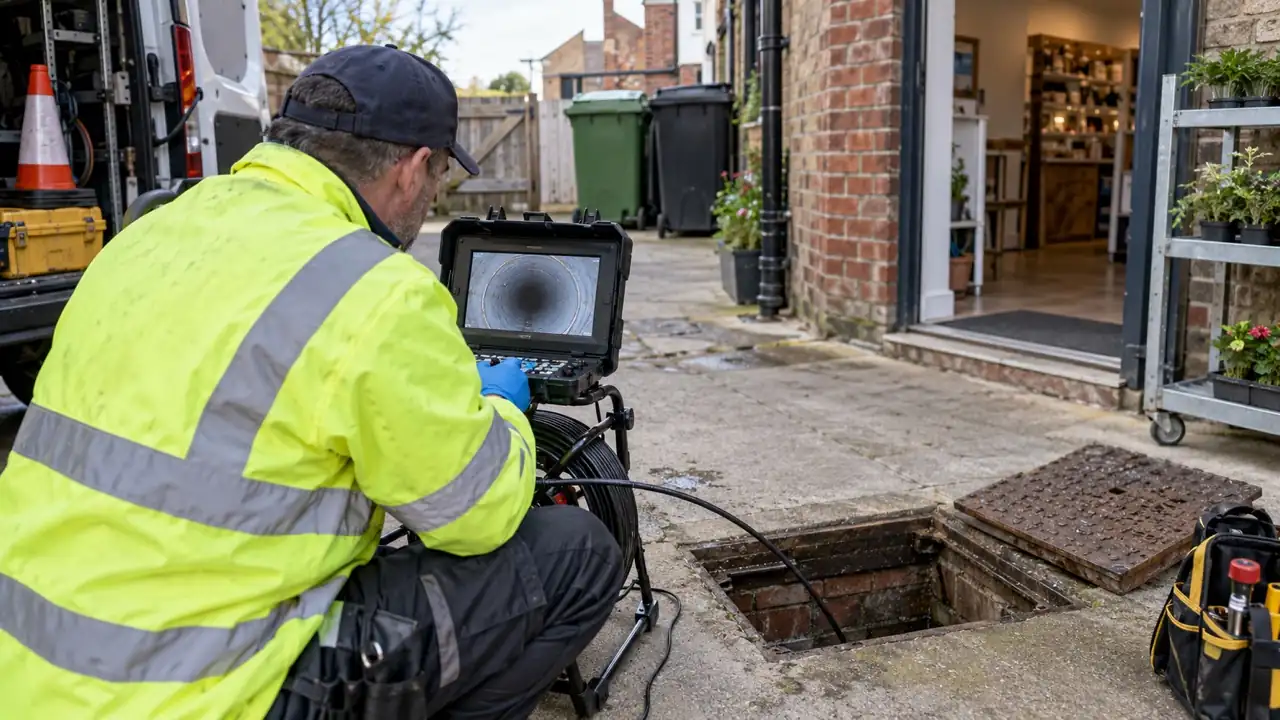
The main A1 Drainage relining page explains suitability, installation and repair choices for Leeds properties. Use it with the completion record when discussing a recurring symptom or planning work near a lined drain.
No maintenance plan can guarantee that a drainage problem will not return. Proportionate aftercare means keeping unsuitable material out, preserving access, retaining evidence and investigating new symptoms before they become an overflow.
Drain relining in Leeds
This guide provides general information. A repair decision for a particular property needs a survey of the accessible pipe, a located description of the defect and a method suited to the host drain. Review the A1 Drainage Leeds relining page for the service overview and evidence checklist.