Drain relining in plain English
Drain relining is a trenchless repair method for suitable underground pipes. Instead of excavating the whole run, a flexible liner carrying a compatible resin is positioned inside the existing drain and cured so that it forms a rigid pipe within the original pipe. The host pipe still determines the route, diameter and fall, while the liner provides a continuous new internal surface across the treated length.
The method is commonly described as cured-in-place pipe, or CIPP. That name matters because lining is not simply a liquid coating painted onto the wall. The liner, resin, installation method, curing process and finished dimensions work as a system. The correct specification depends on the pipe condition, diameter, access, loading and intended use.
What happens before a liner is installed
Define the drainage problem
A repair should begin with symptoms and evidence. Repeated blockages, root entry, visible fractures, leakage or an open joint may justify investigation, but a blockage alone does not prove that relining is required. Earlier records and the position of affected fixtures help identify the run that needs assessment.
Survey the host pipe
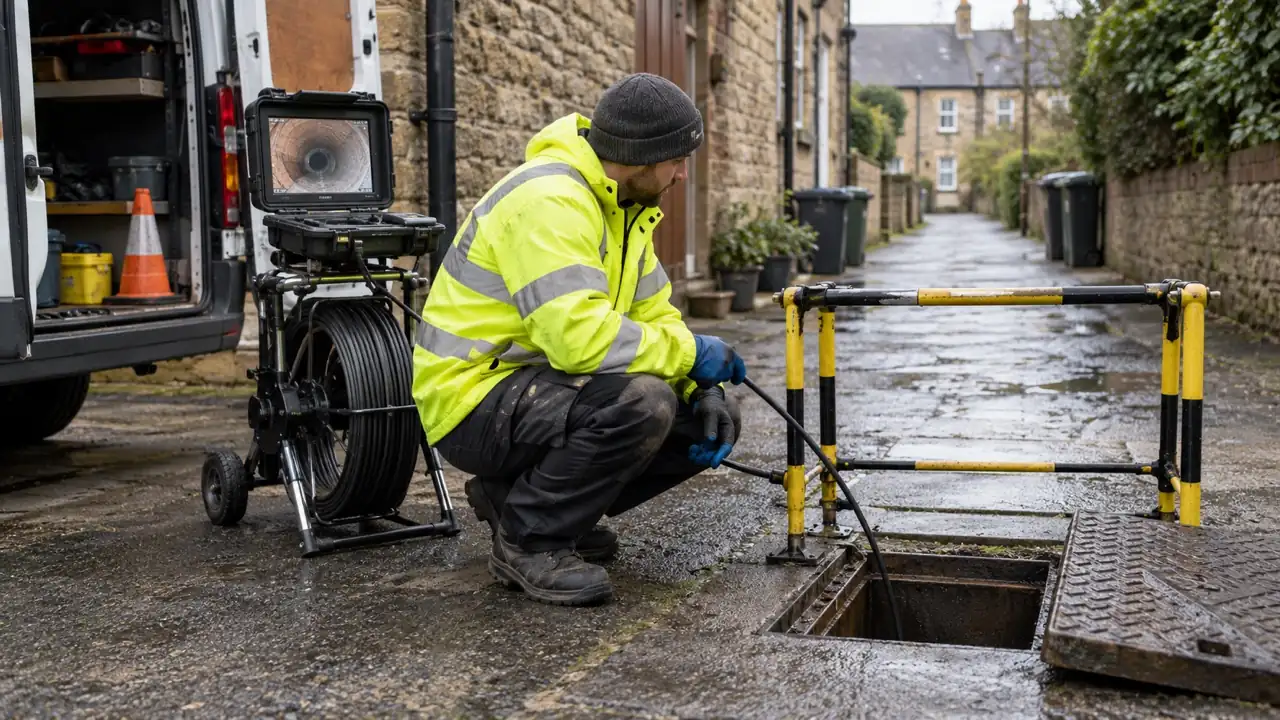
A CCTV drain survey records the accessible pipe, defect positions, branches, diameter changes and restrictions. Standing water, deposits or an uncleared obstruction can hide the wall, so the first camera pass may establish the cleaning work needed rather than provide a final repair design.
Clean and prepare the pipe
Grease, scale, silt, roots and loose material must be removed to the level required by the chosen system. Intruding connections or sharp displaced edges may need separate preparation. The pipe is then surveyed again so the installer can confirm that the planned liner can reach and fit the section safely.
How the liner reaches the damaged section
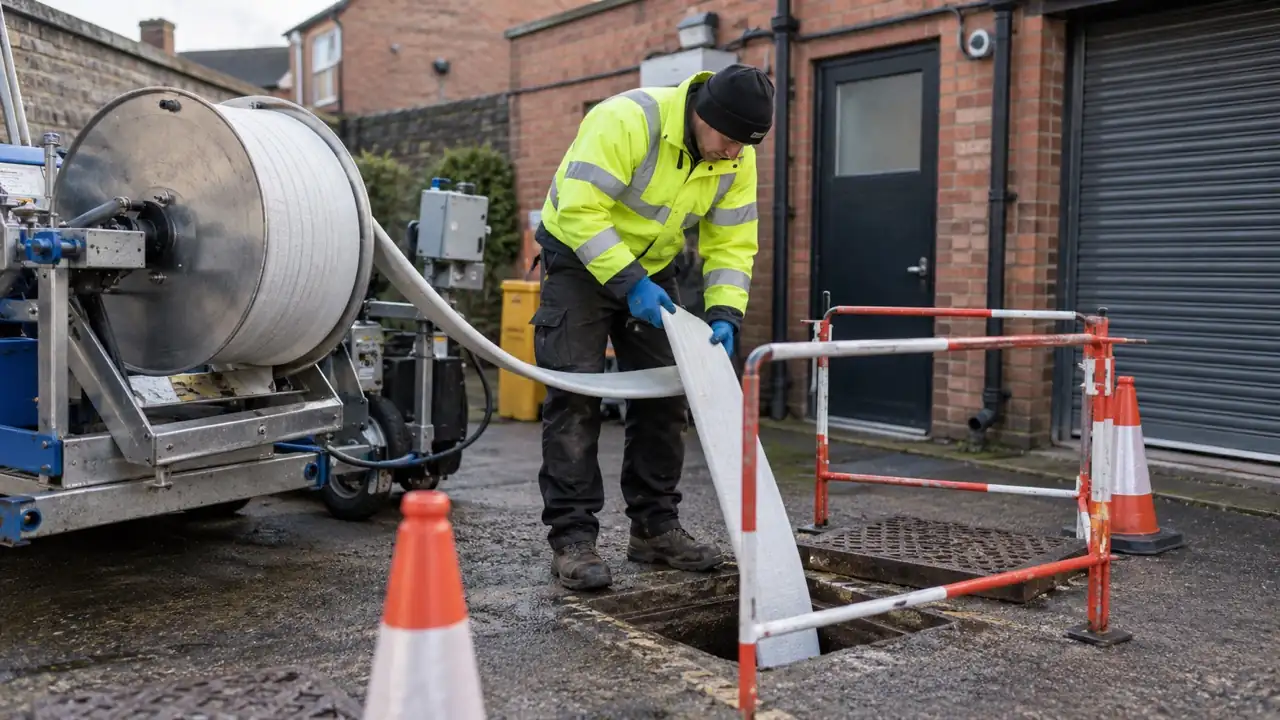
A liner may be inverted into the pipe using air or water pressure, or drawn into position with a winch, depending on the product and access. The objective is to place the resin-bearing material against the internal surface without folds, twists or unintended stretching. End positions, junctions and diameter changes must be accounted for before installation begins.
Installation is controlled rather than improvised. Resin quantity, working time, temperature and the length and thickness of the liner affect the result. The equipment and method used on a short domestic drain may differ from those used on a larger sewer, even though both are described generally as CIPP lining.
Curing turns the flexible liner into a pipe
Ambient, water or steam curing
Some systems cure through a specified chemical reaction at ambient temperature; others use heated water or steam to control the process. Temperatures and times must follow the selected system because incomplete or uneven curing can affect the finished material.
Ultraviolet curing
Certain glass-reinforced liners are cured by moving ultraviolet lamps through the installed tube. The light train, travel speed and recorded output are part of the controlled process. UV curing is one option rather than a universal method for every drain.
Maintain the liner shape
Pressure holds the liner against the host pipe while it cures. The installer monitors the process and must consider temperature, pressure, resin behaviour and the original pipe shape. Relining follows the existing route; it does not normally correct a poor gradient or rebuild a severely collapsed section.
Connections, ends and the final inspection
Where branches enter the lined run, they may need to be reopened with suitable cutting equipment after curing. The liner ends are trimmed and finished at the agreed positions. Each connection must be identified before work because an unrecorded junction can be covered by the new liner.
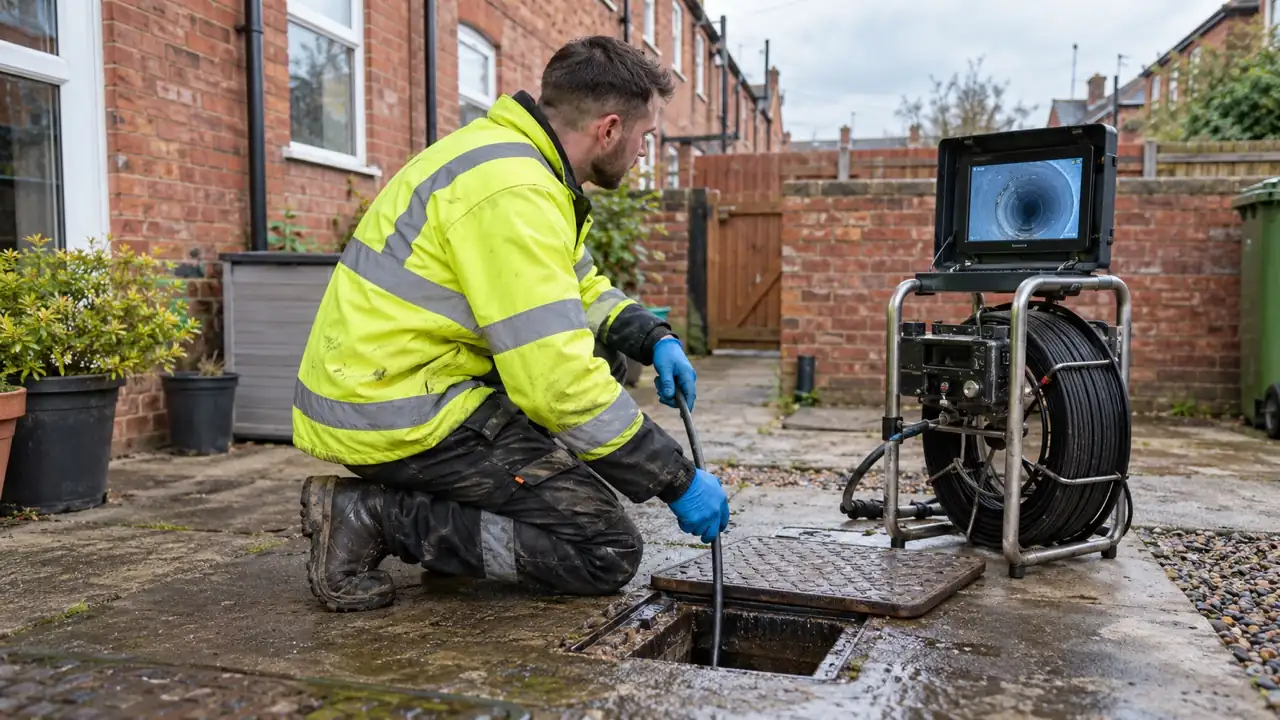
A post-lining CCTV survey checks the visible finish, liner continuity, reopened connections and flow through the repaired section. The record should state the access point, direction, treated length and any limitation. Keeping the pre- and post-installation footage allows later contractors to distinguish the lined section from original pipework.
What relining can and cannot repair
Suitability is decided from the whole run, not one camera image. Pipe shape, dimensions, access, branches, ground movement and the severity of every defect can change the repair choice. A local patch or excavation may be more proportionate than lining a longer section.
- Suitable cracks, fractures and leaking or open joints
- Root entry points after roots and unsuitable material are removed
- A longer run containing several compatible defects
- Pipes beneath floors, landscaping or access routes where excavation would be disruptive
- Not a fully collapsed pipe that no longer provides a usable route
- Not a reliable correction for severe deformation, missing sections or an incorrect fall
Standards and records
BS EN ISO 11296-4 covers requirements and test methods for cured-in-place pipes used to renovate underground non-pressure drainage and sewerage networks. A standard does not select a contractor or design a particular job, but it provides useful context when asking what system, design basis and installation records apply.
For building work, drainage routes, access and protection also need to be considered alongside Approved Document H and any relevant sewer-owner requirements. The main A1 Drainage relining page brings these assessment and repair choices together for Leeds properties.
Drain relining in Leeds
This guide provides general information. A repair decision for a particular property needs a survey of the accessible pipe, a located description of the defect and a method suited to the host drain. Review the A1 Drainage Leeds relining page for the service overview and evidence checklist.