Start with the drainage problem you need to solve
A blocked drain, a recurring restriction and a damaged pipe can produce similar symptoms but need different evidence. The articles below explain what can be checked safely, when a CCTV drain survey is useful and how inspection findings should guide a proportionate repair.
For location-specific service information, use the Leeds drain-unblocking directory. For an active overflow, stop using affected fixtures and read the urgent drainage guidance before adding more water to the system.
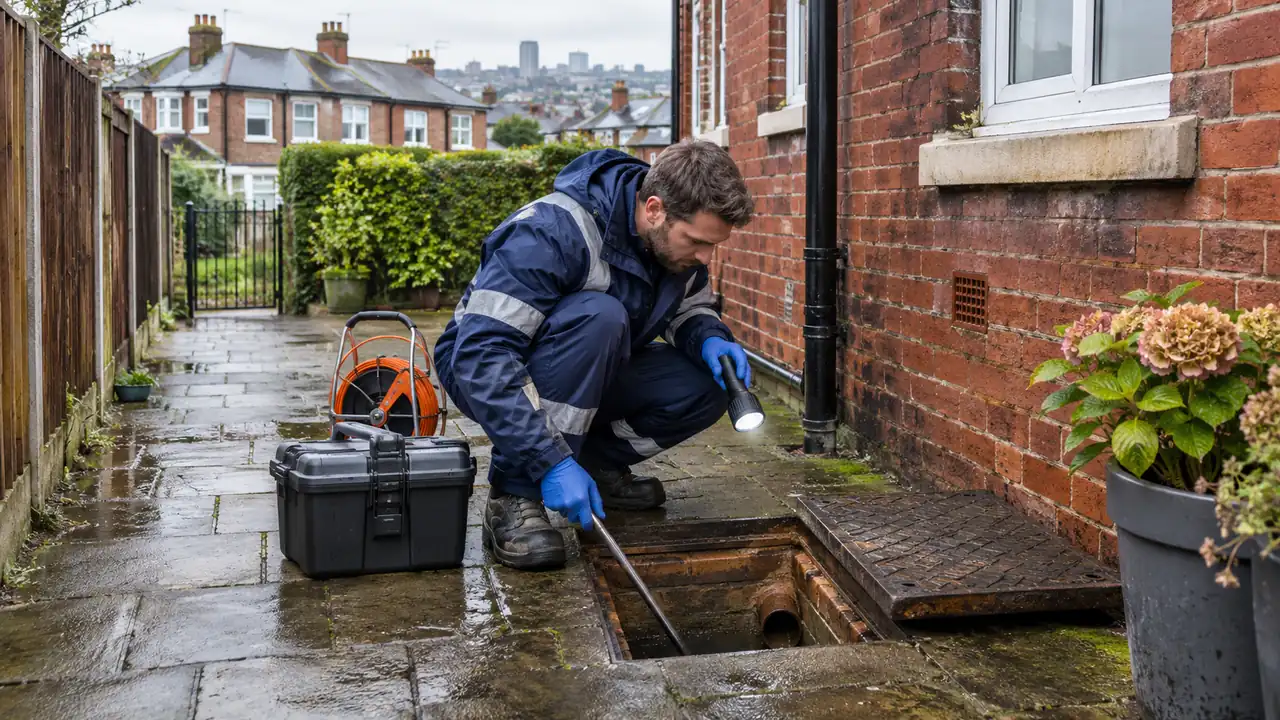
Blocked-drain articles
The Wetherby series uses one local service area to explain decisions that apply more widely: why the same drain can block again, what a full chamber can indicate, when repair evidence is justified and how post-clearance footage should be recorded.
Why drains keep blocking
Understand why a drain in Wetherby may keep blocking, how symptoms help locate the cause and when cleaning, CCTV inspection or repair should follow.
Read the articleWhat a blocked manhole can indicate
Learn what a full or overflowing manhole in Wetherby can indicate, how to respond safely and when responsibility may sit with a private drain or public sewer.
Read the articleWhen drain repair may be needed
Find out when a blocked drain in Wetherby may need repair, how damage is confirmed and how patching, relining and excavation are compared.
Read the articleWhen to survey a drain after unblocking
Learn when a CCTV drain survey can add value after unblocking a drain in Wetherby, what the pipe must be prepared for and what a useful report should contain.
Read the articleWhen drain relining may be suitable
Understand when a damaged drain in Wetherby may be suitable for relining, which defects need another repair method and what evidence to request before work.
Read the article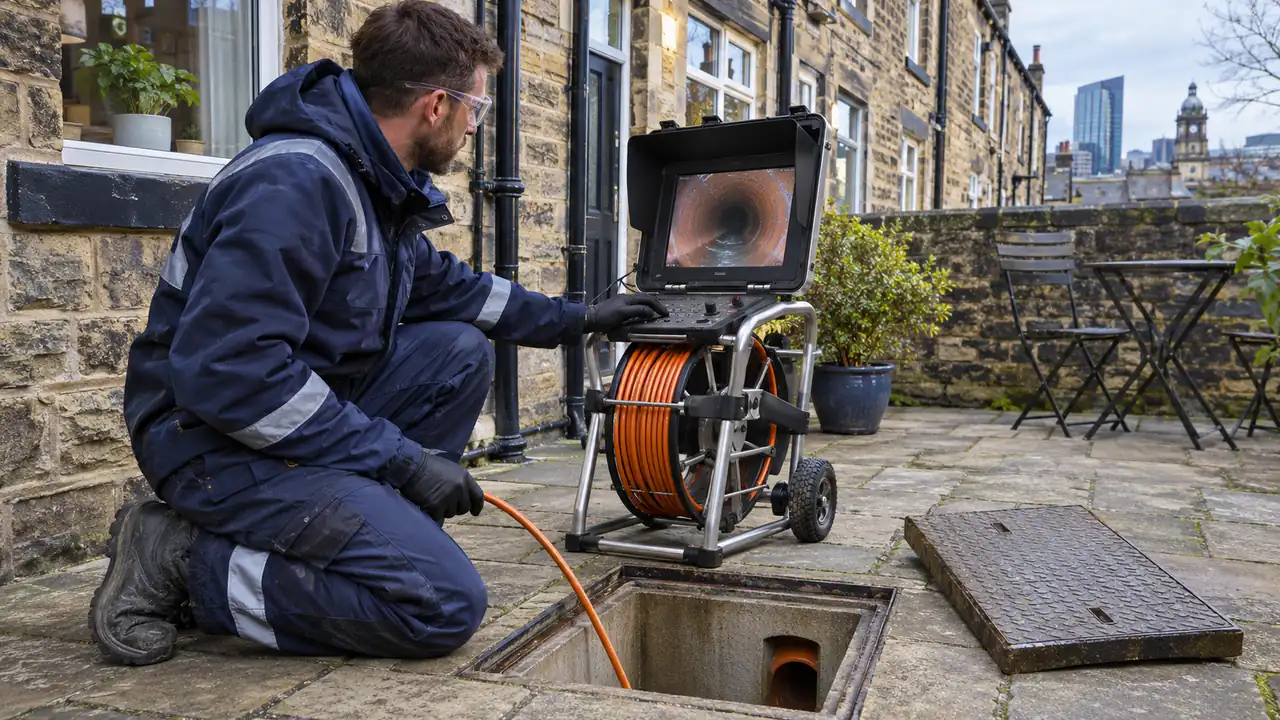
Drain relining and repair guides
Before approving a non-dig repair, understand the host pipe, defect position, access, preparation and curing method. The main drain relining service page for Leeds explains the service, while these articles examine the technical decisions in more detail.
What Is Drain Relining and How Does It Work?
Learn how cured-in-place drain relining works, from CCTV assessment and pipe preparation to curing, reopening connections and final inspection.
Read the guideDrain Relining vs Excavation: How to Compare the Options
Compare drain relining with excavation by defect type, access, disruption, pipe condition, verification and the work each method can realistically achieve.
Read the guideIs My Drain Suitable for Relining?
Understand the CCTV, cleaning, access and pipe-condition checks used to decide whether a damaged drain is suitable for structural relining.
Read the guideThe Drain Relining Process: Step by Step
A step-by-step guide to drain relining, covering diagnosis, cleaning, measurement, liner installation, curing, connection reopening and final CCTV checks.
Read the guideDrain Relining Aftercare and Maintenance
Practical aftercare for a relined drain, including completion records, suitable cleaning, repeat inspections, warning signs and future building work.
Read the guide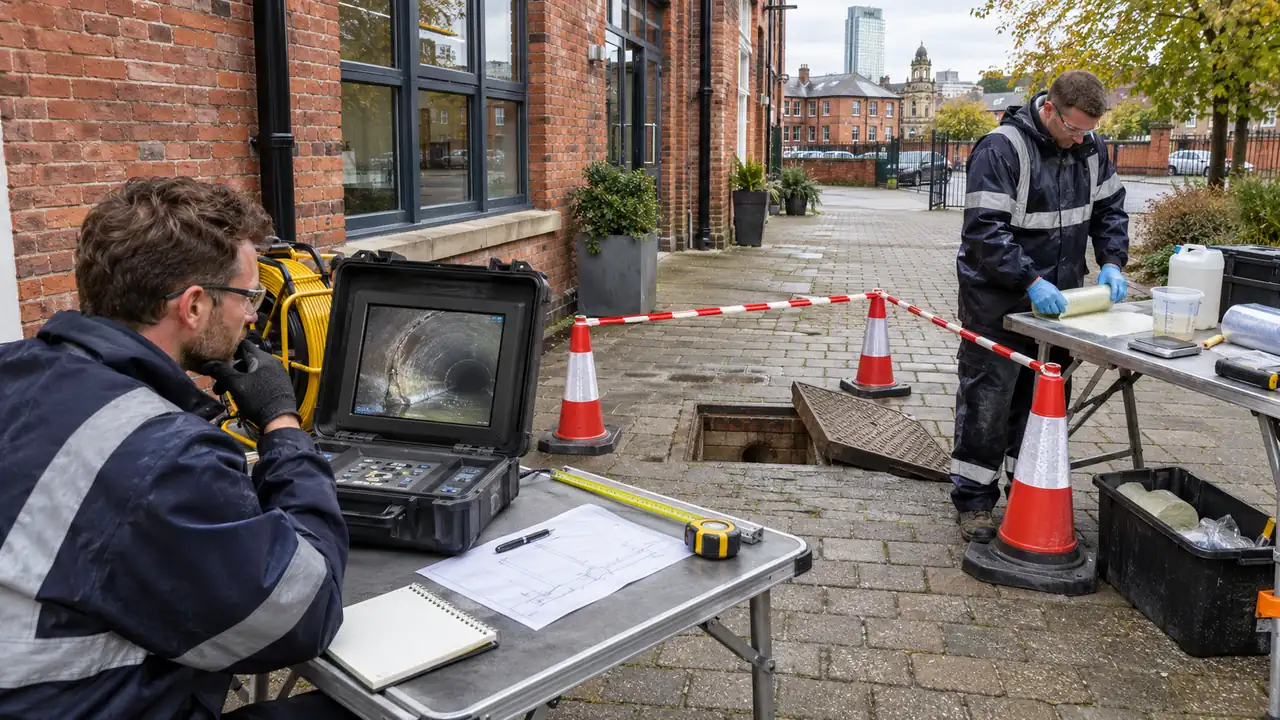
Use general guidance with property-specific evidence
An article cannot establish the condition, ownership or route of one underground drain. Keep earlier invoices, footage and repair records, and explain the property postcode, affected fixtures and safe access points when contacting A1 Drainage Leeds.
When comparing a major repair recommendation, the Yorkshire drainage contractor checklist explains how to verify the supplier, scope, footage, materials and completion record without relying on unsupported ratings or promotional claims.
Record symptoms before deciding on a method
Note which fixture first became slow, whether several fixtures are affected and whether an outside chamber rises when water is used. A single slow sink may point to a local waste-pipe restriction, while several toilets, sinks or showers backing up together can indicate a problem farther along the shared route. Photographs of safe, accessible chambers and the times at which symptoms occur can help explain the pattern.
Do not lift a heavy or unsafe cover, enter a chamber or keep flushing water into an overflowing system. Where a blockage has returned after clearance, ask what material was removed and whether the pipe was left flowing freely. If damage is suspected, useful CCTV evidence should identify the surveyed route and defect position clearly enough for a repair option to be compared.
Check ownership before arranging major work
Responsibility can depend on where the affected pipe sits and whether it serves more than one property. The homeowner, landlord, managing agent, insurer or water company may need different evidence. Confirming the likely boundary and keeping dated records avoids treating every underground pipe as though it has the same owner or repair route.