The central difference
Relining rehabilitates a suitable pipe from the inside. The original pipe remains in the ground and forms the route around which the new liner is installed. Excavation exposes the pipe so a damaged section can be removed, realigned, replaced or connected differently before the ground or floor is reinstated.
That distinction explains most of the trade-offs. Lining can reduce surface disruption where a continuous host pipe and workable access already exist. Excavation provides direct access where the drain has collapsed, moved significantly, lost its shape or needs its level or route changed.
When relining may be the better fit
Reduced excavation does not mean no preparation. The pipe still needs cleaning, measured assessment and access for liner installation, curing and connection reopening. Local excavation may also be needed at an unsuitable end, obstruction or severely damaged point.
- The pipe remains sufficiently open and stable for cleaning and installation
- Cracks, open joints or root entry affect a suitable length
- Existing chambers provide a practical installation route
- The drain runs beneath a floor, drive, road or established landscaping
- Several compatible defects can be addressed within one designed liner
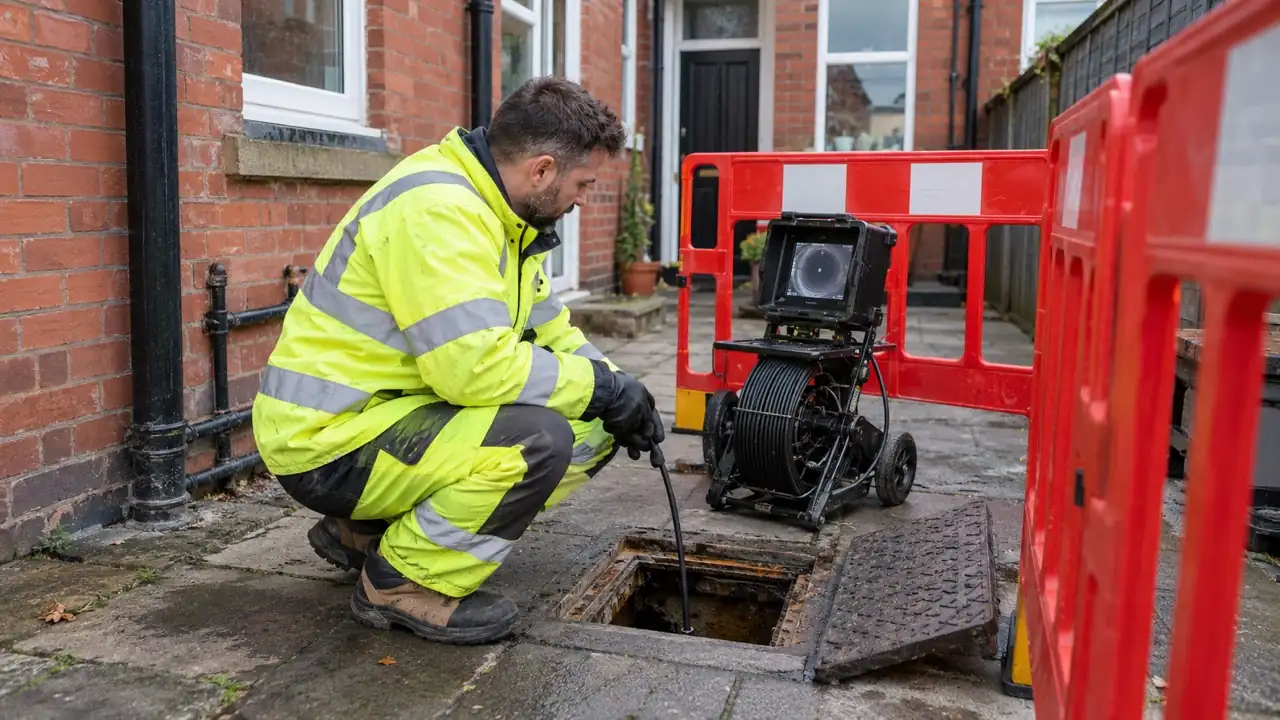
When excavation may be necessary
Collapse or severe deformation
A liner needs a route through the host pipe and will broadly follow its existing shape. A collapsed section, major flattening or missing pipe can prevent installation or leave an unacceptable finished opening.
Incorrect fall or level
Relining can improve internal continuity but does not normally lift a low section or create a new gradient. Where standing water is caused by movement or poor installation, exposing and relaying the pipe may be required.
Route or connection changes
A new junction, relocated drain or altered route requires physical construction. Excavation also allows surrounding ground, bedding and other buried services to be considered directly.
Compare disruption accurately
Excavation can involve lifting paving, cutting floors, restricting access and reinstating surfaces. The effect depends on depth, ground, traffic, nearby services and the quality of reinstatement required. A short repair in open ground may be simpler than lining a complicated run, while excavation below a finished interior can be highly disruptive.
Relining usually reduces the area opened at the surface, but the drain may be unavailable during preparation and curing. Equipment needs working space, and branches may need reopening. Ask for the complete scope rather than comparing a headline 'no-dig' description with a full excavation quotation.
Compare the finished hydraulic result
A liner reduces the internal diameter by its installed thickness, although a smooth finished surface may improve flow characteristics compared with a rough, defective pipe. Whether that change is acceptable depends on the original diameter, use, design and condition. Connections also need to be reopened to an appropriate finish.
A replacement pipe can restore or alter diameter and fall, but the design and workmanship of joints, bedding and connections remain important. Neither method should be treated as automatically superior without considering the finished route as a drainage system.
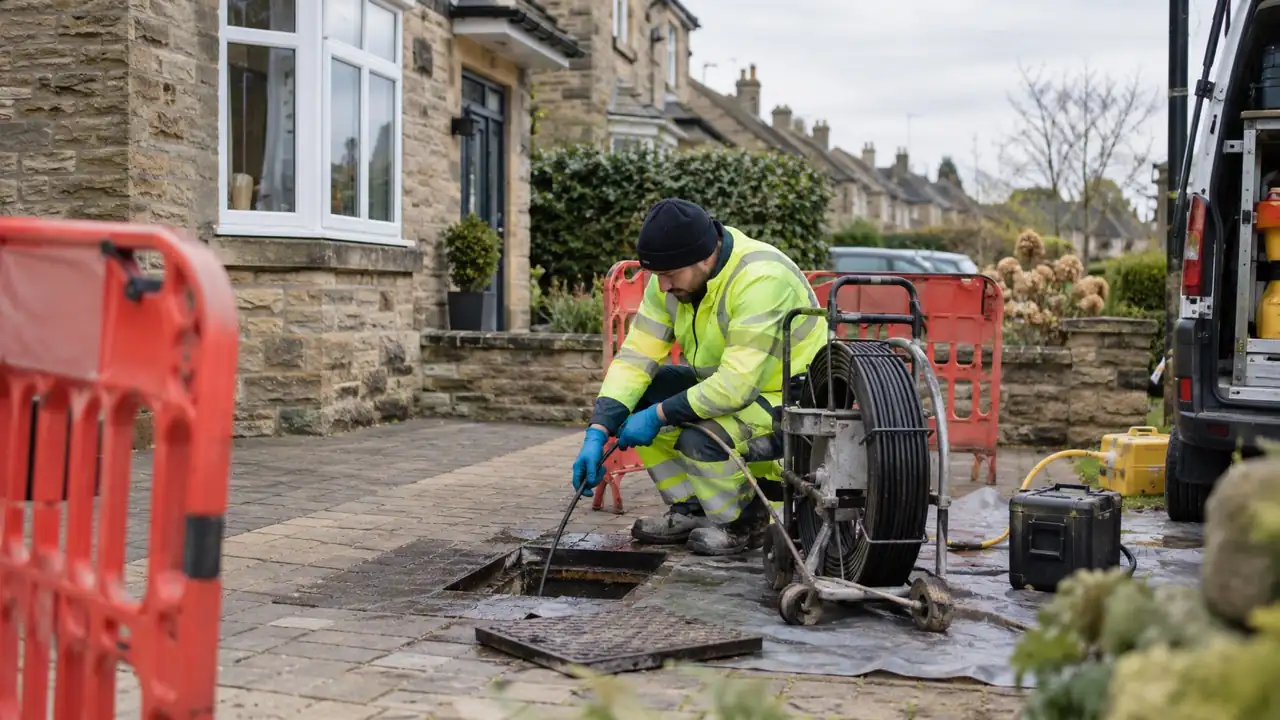
Evidence to request for either option
If two contractors recommend different methods, ask each to explain the defect that prevents the alternative. That question is more useful than asking only which method is cheaper or faster.
- Pre-repair CCTV footage and a located description of each defect
- Pipe material, diameter, access points and connection positions
- The proposed repair length and why that extent is proportionate
- What cleaning, cutting, excavation or reinstatement is included
- How the completed repair and reopened connections will be checked
- The records and written terms supplied after completion
Public sewers and building work
Ownership and permission can affect both methods. Yorkshire Water records are relevant where a public sewer may cross the property, and work near or over a public sewer can require a separate process. A private CCTV survey adds condition evidence but does not itself establish ownership or grant consent.
Approved Document H provides building-regulation guidance on foul drainage, protection of pipes, manholes and inspection chambers. Where the repair forms part of an extension or structural project, coordinate the drainage decision with the wider design and approval route.
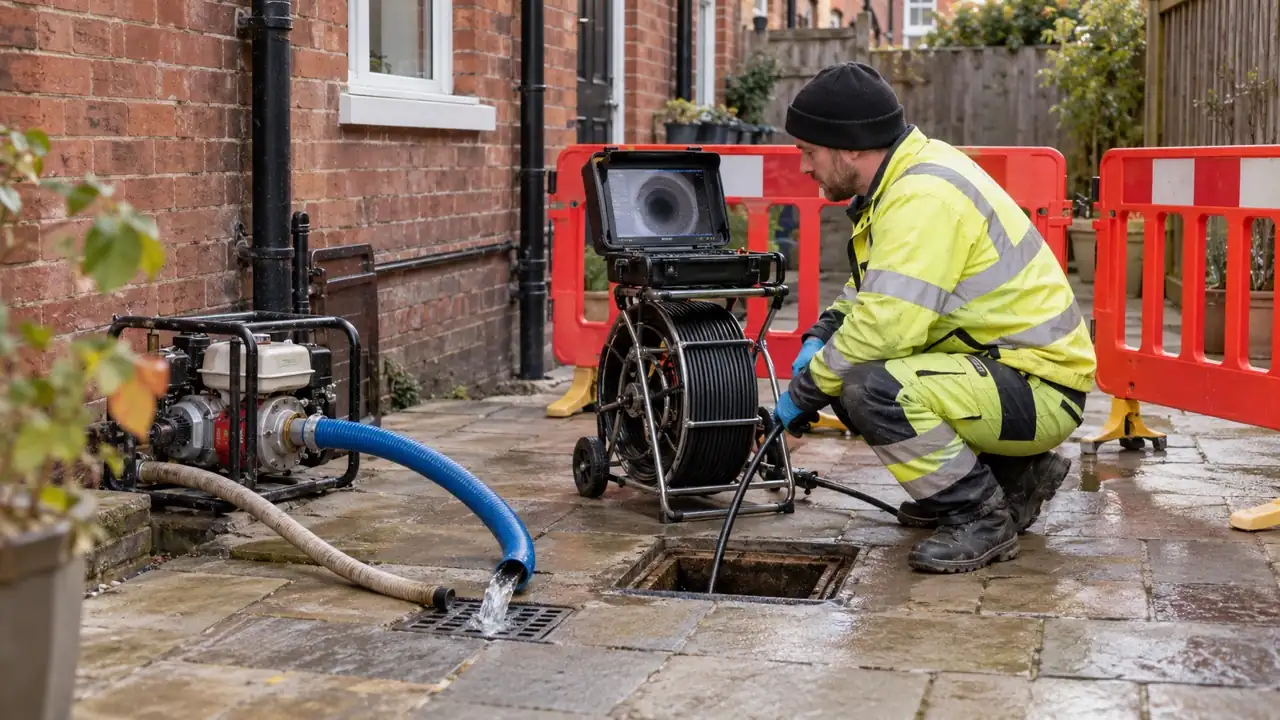
A proportionate decision
Choose the least disruptive method that reliably addresses the confirmed problem and can be verified. That could be a local patch, a longer liner, replacement of one section or a combined approach. A repair plan should also explain what remains outside the treated length.
For Leeds properties, use the main drain relining page to review the investigation, preparation and post-repair evidence that should sit behind a relining proposal.
Drain relining in Leeds
This guide provides general information. A repair decision for a particular property needs a survey of the accessible pipe, a located description of the defect and a method suited to the host drain. Review the A1 Drainage Leeds relining page for the service overview and evidence checklist.