Suitability is a measured assessment
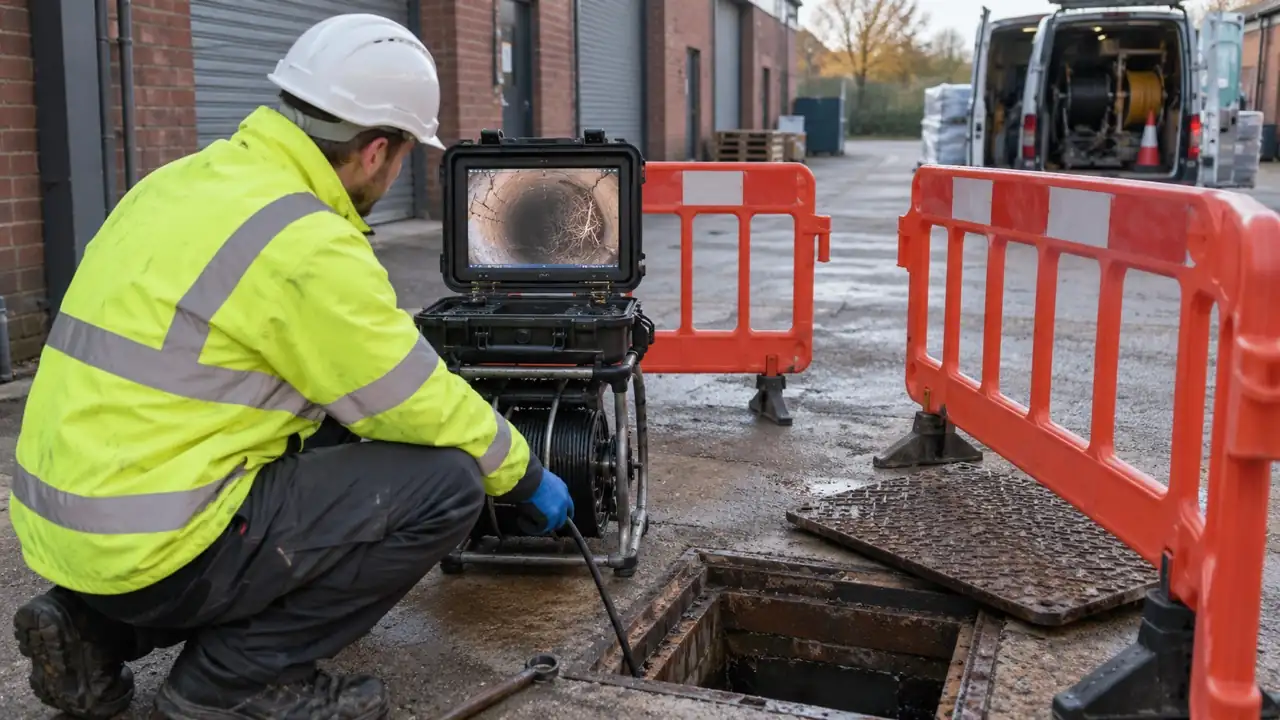
A camera image of a crack or root does not by itself confirm that a liner should be installed. The survey needs to cover the intended repair length and record pipe shape, diameter, material, branches, bends, standing water and access. Cleaning often changes what can be seen, so the design survey should normally follow adequate preparation.
The installer also needs to understand what the pipe carries and the conditions it experiences. A small domestic foul drain, a commercial kitchen line and a larger sewer can require different materials, thicknesses and installation controls.
Defects commonly considered for relining
Cracks and fractures
Longitudinal or circumferential damage may be compatible with a structural liner where the pipe retains an acceptable shape and the surrounding conditions have been assessed. The severity and cause still matter; continuing movement can affect any repair.
Open or leaking joints
A liner can create continuity across suitable joints. Deposits, infiltration and sharp steps need preparation, while a major displacement may restrict the liner or finished opening.
Root entry
Roots must be removed sufficiently for inspection and installation. The survey should identify the opening through which they entered. Treating the symptom without addressing the route can leave the repair decision incomplete.
Conditions that can rule out or complicate lining
These findings do not always mean the entire run must be excavated. A combined repair may expose one unsuitable point and line the remaining section. The proposal should show where each method begins and ends.
- A collapsed section with no continuous installation route
- Severe deformation or a substantial step between pipe sections
- A missing section or void requiring structural reconstruction
- An unsuitable diameter change, bend or obstruction
- Poor fall or movement that the liner cannot correct
- Unknown branches that cannot be identified and reopened
- Insufficient access for preparation, installation or curing equipment
Why cleaning affects the answer
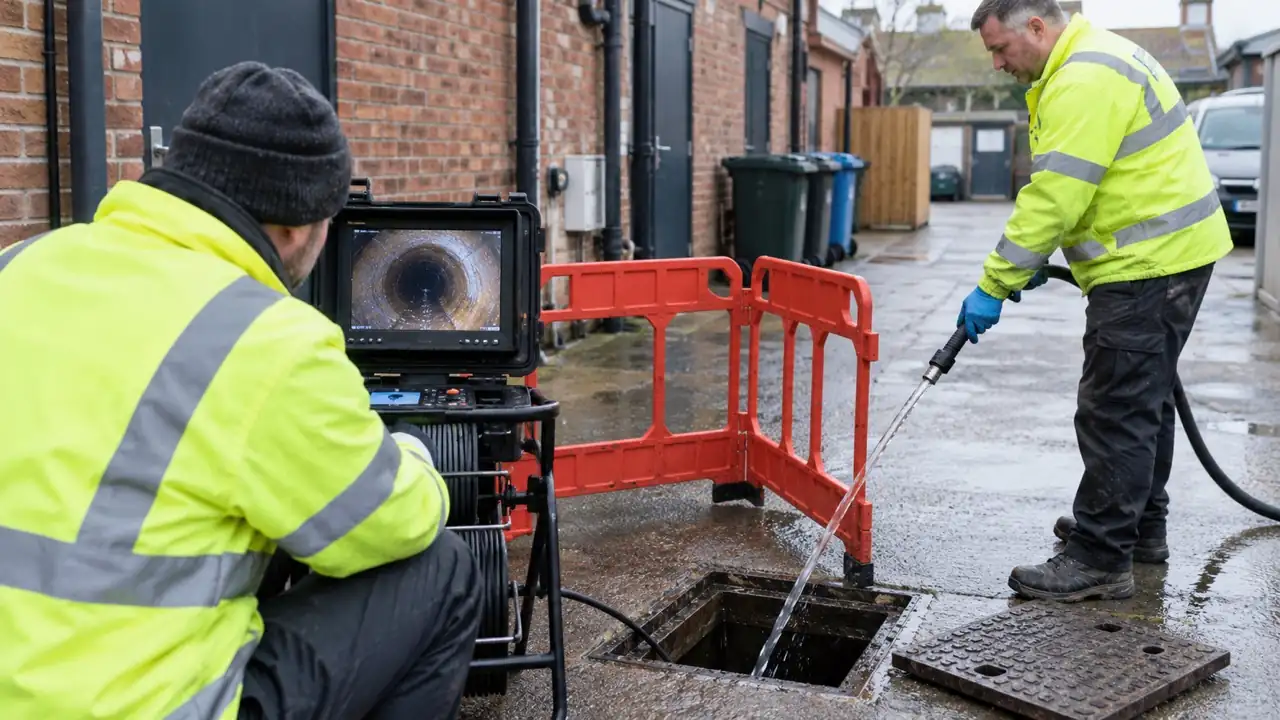
Heavy grease, scale, concrete, roots and compacted deposits can make a pipe appear smaller or hide defects. Preparation should remove material without causing avoidable damage to a fragile host pipe. The cleaning method must reflect the material and condition found.
A post-cleaning CCTV pass confirms whether the surface is ready and whether the original diagnosis remains valid. It can reveal fractures, displaced joints or deformation that were not visible while the pipe was blocked. Designing from uncleared footage creates avoidable uncertainty.
Measure the route, branches and access
Diameter and length
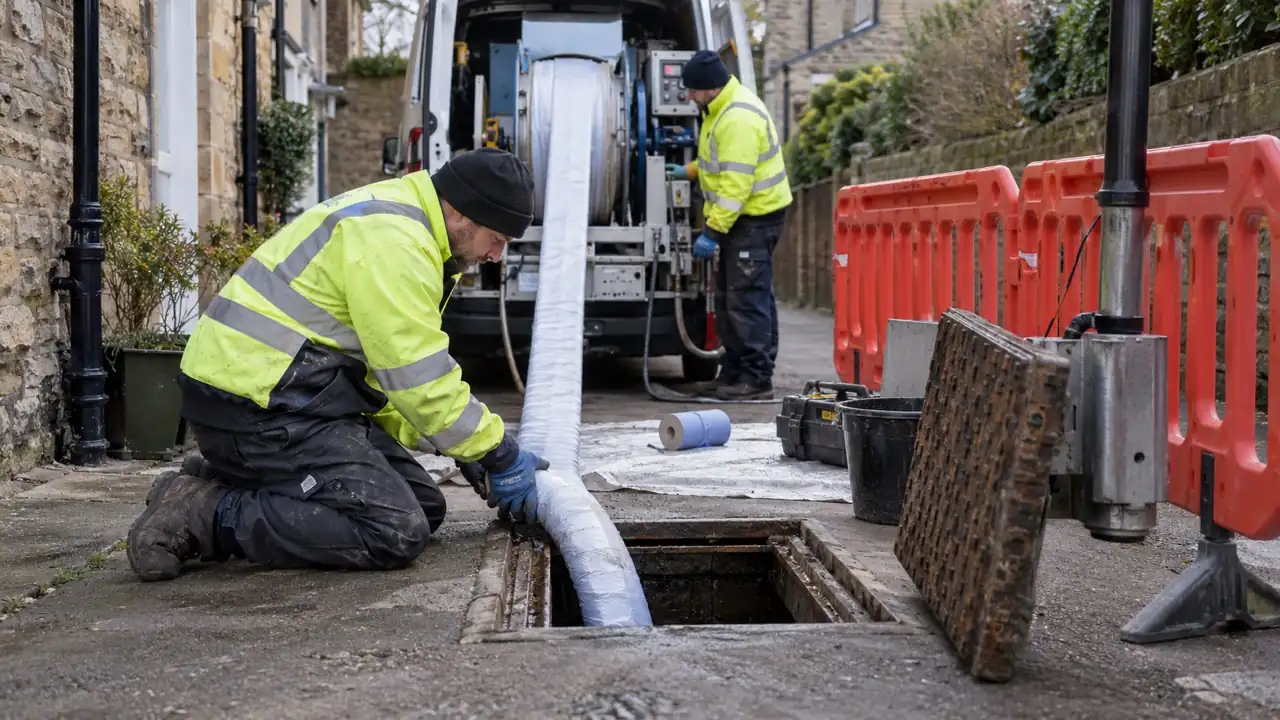
The installer must verify the internal dimensions and repair length rather than relying only on historic plans. The liner needs the correct size and resin quantity for the actual pipe.
Bends and changes
Some liners can negotiate modest bends, but severe direction or diameter changes can create folds, stretching or installation difficulty. These features should appear in the survey and method.
Lateral connections
Every connection entering the treated run should be mapped so it can be protected or reopened. An unrecorded branch can be covered by the liner and interrupt service.
Check what caused the defect
Relining repairs the pipe wall but may not remove an external cause. Ground movement, poor bedding, loading from vehicles, nearby construction or an incorrectly supported connection may need separate attention. A repair that ignores ongoing movement can be difficult to evaluate responsibly.
Standing water deserves particular care. A liner can seal and strengthen a suitable pipe, but it generally follows the existing gradient. If the water is held by a sag or incorrect fall, the finished liner may still hold water even when its internal surface is sound.
Questions to ask before approving a liner
- Which defects have been confirmed and where are they located?
- What cleaning and preparation are required first?
- Why is the complete proposed length being lined?
- What liner system, thickness and curing method are proposed?
- How will connections and liner ends be finished?
- What pre- and post-installation records will be supplied?
- Which parts of the drainage system remain uninspected or untreated?
Use standards and official records appropriately
BS EN ISO 11296-4 provides the standards context for CIPP renovation of underground non-pressure drains and sewers. Yorkshire Water sewer records and build-over information can help where public apparatus or planned building work is relevant, although records may not show every private drain.
The main drain relining page explains how A1 Drainage approaches evidence, repair choices and post-work checks in Leeds. Call with the property location and any existing survey footage if a specific run needs review.
Drain relining in Leeds
This guide provides general information. A repair decision for a particular property needs a survey of the accessible pipe, a located description of the defect and a method suited to the host drain. Review the A1 Drainage Leeds relining page for the service overview and evidence checklist.