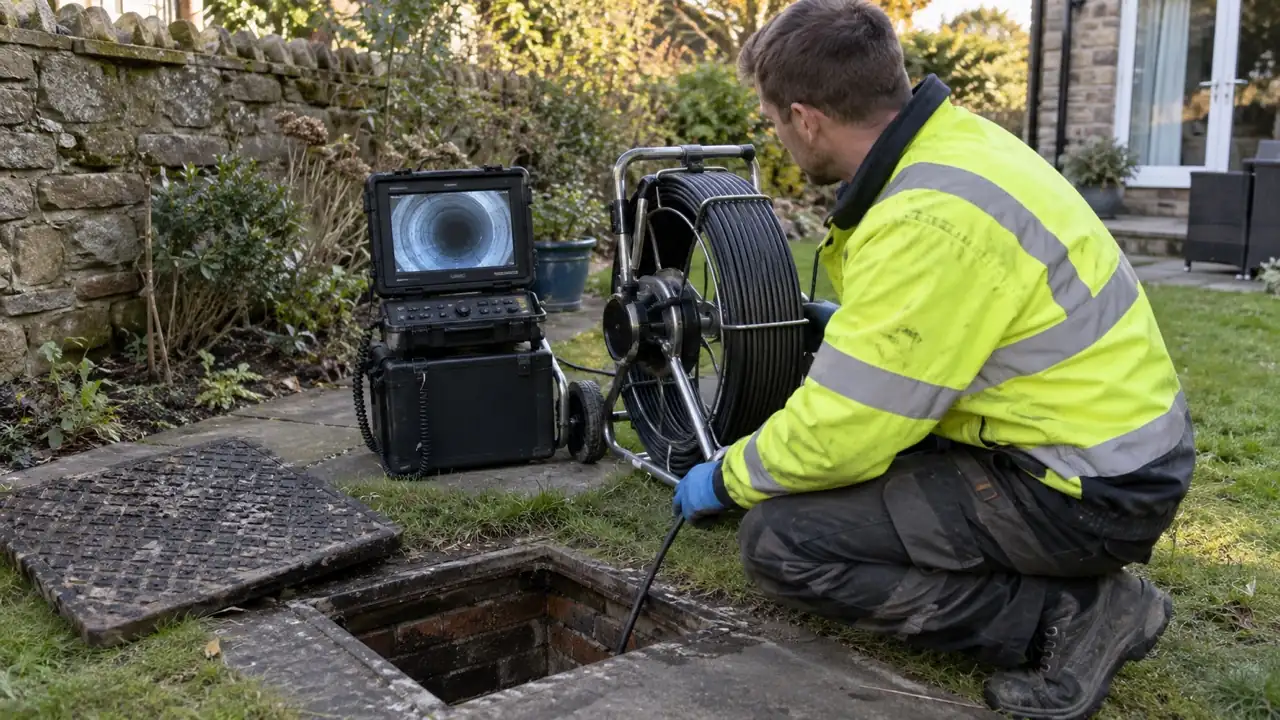
When relining may be considered
- Cracks and open joints
- Root entry points after preparation
- Long sections with repeated defects
- Pipes beneath landscaping, floors or access routes
- Situations where excavation would be particularly disruptive
When it may not be suitable
A fully collapsed or badly deformed pipe may need excavation. The pipe must also be cleaned and prepared so the liner can be installed correctly.
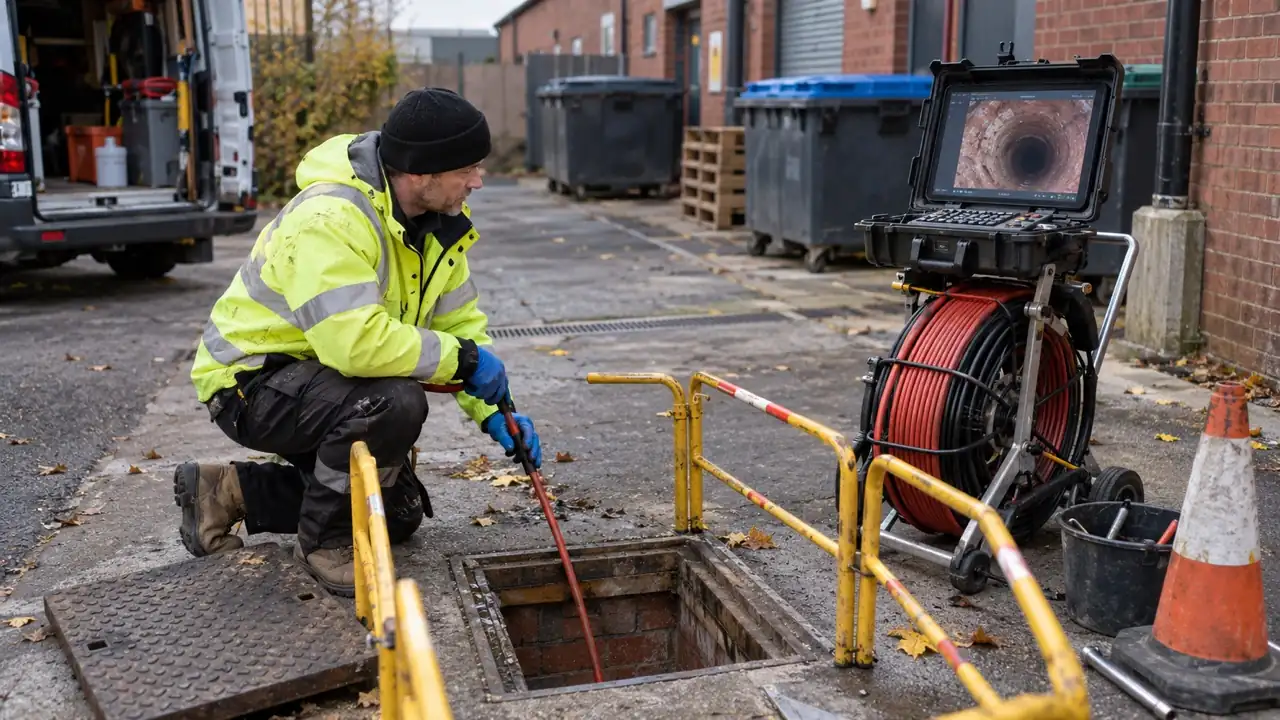
Evidence and records
Pre-installation inspection helps define the repair. A post-installation survey can document the finished liner and reopened connections.
The relining process
Survey and measure
CCTV inspection identifies the repair length, diameter, connections and condition of the host pipe. The location of each junction must be understood before a liner is installed.
Clean and prepare
Roots, scale and deposits are removed so the liner can fit against the host pipe. A pipe that cannot be prepared may need a different repair method.
Install and cure
A resin-bearing liner is positioned and held against the pipe wall while it cures. The product and curing method should suit the application and installation specification.
Reopen and inspect
Connections are reinstated where required and post-installation footage can document the finished bore and treated section.
Suitability and limitations
Relining can bridge cracks and open joints and reinforce a suitable existing pipe with less surface disruption than full replacement. It is not a universal no-dig answer: severe collapse, deformation, poor levels, inaccessible connections or inadequate host-pipe strength may require excavation.
The liner slightly reduces the internal diameter, so design, thickness and finished connections matter. The repair proposal should state the length, product, access method and how the finished work will be checked.
Compare relining with excavation
- Extent and severity of the damage
- Ability to clean and access the host pipe
- Number and type of connections
- Surface disruption and reinstatement
- Need to correct levels or alignment
- Inspection and documentation included
Defects that need careful assessment
Roots at a joint
Roots must be removed and the entry point assessed. Lining may seal a suitable section, but roots outside the pipe and the condition of adjacent joints still need to be considered.
Cracks and fractures
The pattern and severity matter. Fine visible marks, open fractures and a pipe losing its shape do not represent the same structural condition.
Displaced connection
A liner may bridge some joint defects, but a severe step, protruding connection or change in diameter can restrict installation or finished flow.
Standing water
Water held because of poor fall may remain after lining. Relining can rehabilitate the pipe wall but does not normally change the original gradient.
Information to keep with a lined drain
These records help later owners and contractors distinguish the repaired section from the original pipework and avoid damaging the liner during future cleaning or alterations.
- Pre-lining survey
- Repair length and location
- Liner system and curing method
- Connections reopened
- Post-lining footage
- Installer's written terms and maintenance advice
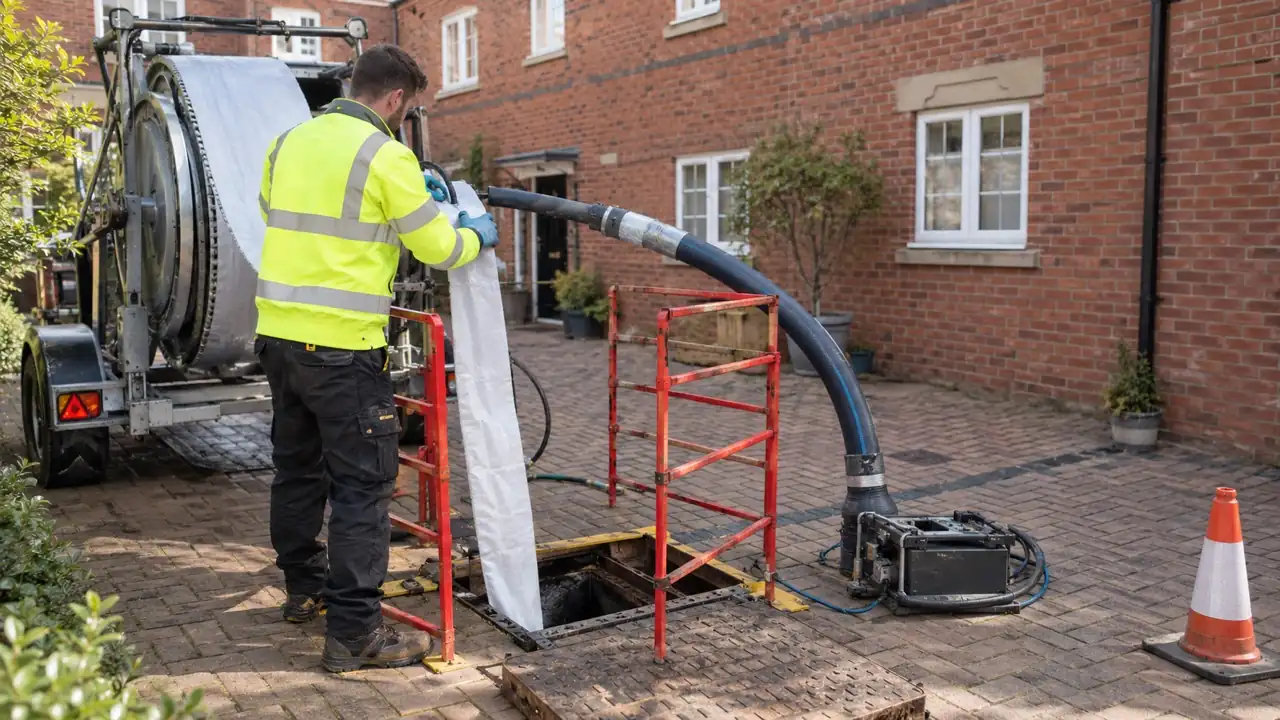
Match the repair to a measured defect
Local patch repair
A patch can reinforce a suitable localised defect without lining the full pipe run. The pipe normally needs cleaning and preparation, enough sound material around the defect and access that allows the repair system to be positioned accurately.
Longer structural lining
A liner may rehabilitate a suitable length containing several cracks or open joints. Connections must be identified and reopened where required. Relining does not normally correct the original gradient and is not a way to rebuild a fully collapsed or severely deformed pipe.
Excavation and replacement
Excavation may be more appropriate where a pipe has collapsed, lost its shape, has an inaccessible obstruction or needs its level or route changed. The scope should include access, protection of other services, replacement material, testing and surface reinstatement.
Evidence needed before approving work
Useful inspection evidence identifies the access point, direction of travel, measured distance and visible condition on both sides of the defect. A still image without a location can be difficult to use. The report should distinguish a deposit, cosmetic mark, open joint, fracture, deformation and collapse because they do not require the same response.
Available sewer records and ownership guidance should be checked where the line may be public or shared. Proposed building work close to public apparatus can involve a separate Yorkshire Water process, even if a private camera survey has already been completed.
The CCTV drain survey guidance explains the footage, location details and limitations that should be recorded before a lining proposal is accepted.
Quality checks after drain relining in leeds
Post-work evidence should show the treated section, transitions into the original pipe and any reopened branch connections. The drainage should be left flowing, access points secure and disturbed surfaces safe. Keep the footage, material details, repair position and written terms with the property record.
If symptoms continue, compare them with the original diagnosis rather than assuming the repair has failed. Another upstream or downstream restriction, poor fall, an uninspected branch or a separate shared-sewer problem may need investigation.
Repair questions that deserve a written answer
Why is this method suitable?
The explanation should connect pipe material, diameter, shape, defect length and access with the proposed patch, liner or excavation. A different method may be more proportionate where only one short section is damaged or where the pipe has lost its shape.
What preparation is included?
Roots, scale and deposits may need removal before a patch or liner can bond and fit correctly. Connections and diameter changes should be identified. For excavation, the quotation should address locating, other buried services and safe working space.
What happens to surfaces and waste?
Excavation can affect paving, landscaping, floors or access routes. Agree what will be removed, how waste is handled and the standard of reinstatement. No-dig work still needs safe access, curing arrangements and management of cleaning debris.
What record will remain?
Keep pre- and post-work footage, defect and repair positions, material details, photographs, scope changes and invoice. These records help later contractors inspect the correct section and protect the repaired pipe during future cleaning or alteration.